


In our “horntools Crew” series, we introduce the people behind horntools in more detail – their roles, their experiences and, of course, the gear they use themselves when they're out and about.
This time it's all about Marius. As a product developer at horntools, he's the technical mind behind our Cloud roof tent and guided its development from the very first idea through to the finished product.
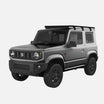
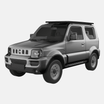
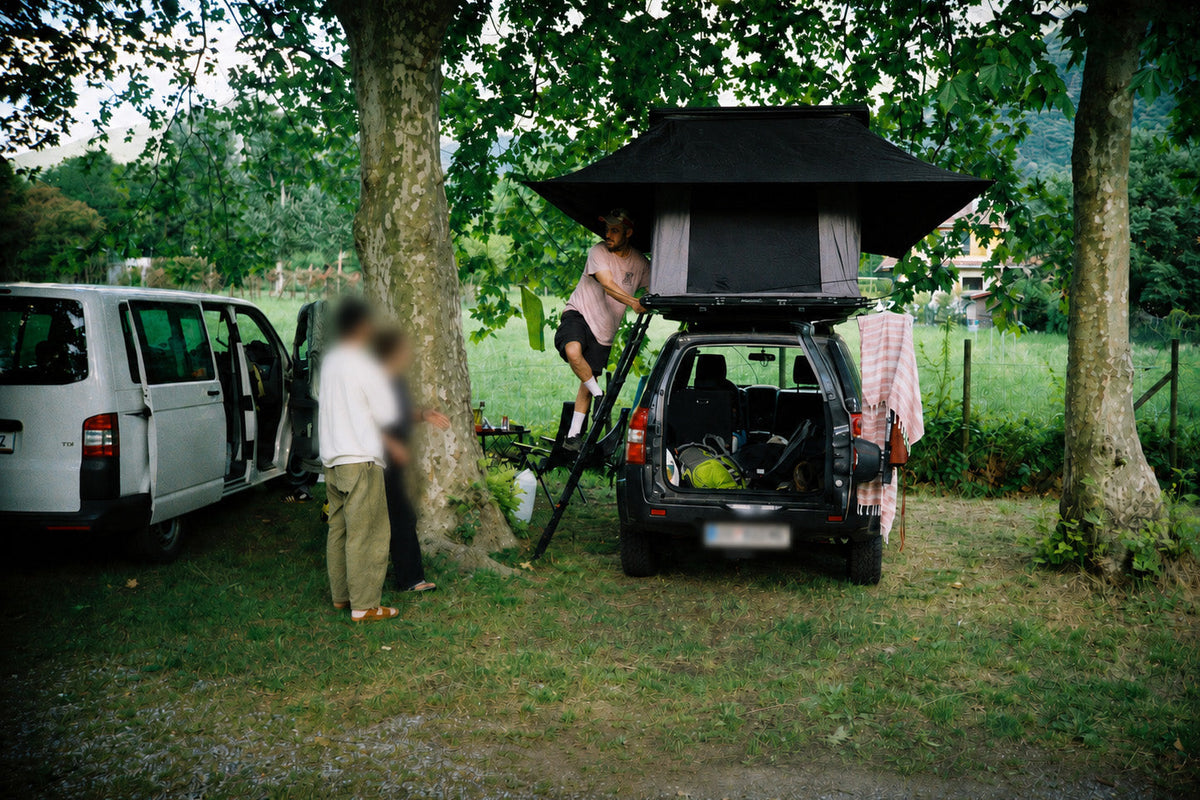
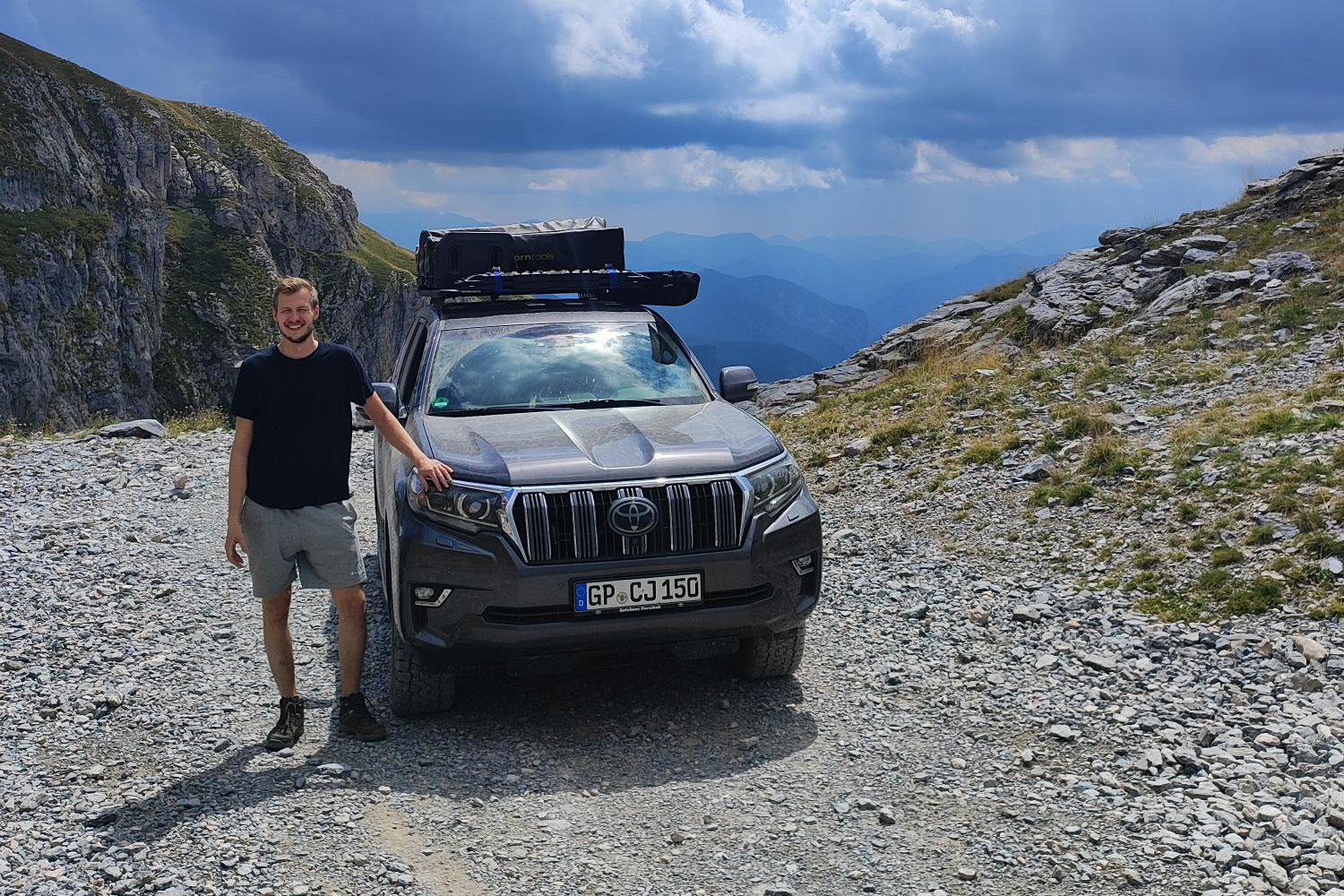
Marius knows the Cloud not only from CAD models, prototypes and in-house testing, but also from using it himself on longer trips. In his private life, he's out and about with, among other things, his Suzuki Grand Vitara.
Marius, how did the idea for the Cloud come about?
Marius: “We wanted to develop a roof tent that's light and as flat as possible, but still offers enough space and comfort. Weight in particular was one of the most important points right from the start.”
The Cloud weighs around 60 kg, is only 12.5 cm high when closed, and offers a 140 cm wide sleeping area.
What was particularly challenging during development?
Marius: “Bringing all the individual requirements together. Less weight, for example, must not mean that stability or comfort suffer. So we tried a lot of things, threw them out again, and found new solutions.”
The low overall height in particular was an important point here. The tent needed to stay as compact as possible on the vehicle while still offering enough space and comfort inside.

How much testing went into the Cloud?
Marius: “A lot. For over a year and a half, we had all kinds of prototypes here in-house. We kept setting them up, changing them, and testing them further.”
But it didn't stop with testing at the company site. Various stages of development were also put through a real endurance test on longer trips.
Marius: “Some things only become apparent after several days on the road. A movement that doesn't stand out at first can start to bother you after a while. Or you notice that something is still missing in a particular spot. That's exactly why the longer trips were so important for development.”
That's how the Cloud was adjusted and refined step by step over the course of a year and a half.

Why were the surrounding grooves important to you?
Marius: “It was important to me that you can also attach additional gear to the Cloud. That's why we integrated the surrounding grooves directly into the construction.”
These grooves let you mount various accessories directly onto the roof tent. For example, an awning can be attached directly to the Cloud. horntools doesn't just stand for roof tents – with more than 350 products, it offers a whole ecosystem built around car-based adventure.
For many setups, this means no additional roof rack platform is needed. So the Cloud doesn't just serve as a place to sleep – it also acts as a base for mounting further gear directly onto the tent.
Anyone who needs extra storage space can also extend the setup with a roof rack mounted directly on the Cloud.
Marius: “I wanted people to stay flexible with the Cloud. Depending on how you're travelling, you can extend your setup fairly easily and don't have to build a separate solution on the vehicle for every extra piece of gear.”
What do you personally like best about the Cloud?
Marius: “For me, it's the overall package of low weight, the flat design and the options for expanding it. At the same time, I didn't want to make major compromises on sleeping comfort.”
Inside, the Cloud offers a 7 cm thick two-component mattress. Blankets and sleeping bags can also stay inside the closed tent while you're driving.

Besides the Cloud, what else is part of your personal setup?
Marius: “I don't actually need all that much when I'm camping. What matters more to me is that things are uncomplicated and that I actually use them regularly on the road.”
For relaxed evenings, the Camping Chair Relax is part of Marius' kit. Then there's the folding camping table for cooking, eating, or coffee in the morning.
The Compressor Box also comes along regularly – especially when heading off paved roads and adjusting tyre pressure on the go.
Marius: “In the end, it's often the simple things you use on every trip. A comfortable chair, a table, and gear that just works.”
Are there any details on the Cloud that you might not notice right away?
Marius: “Definitely. During development, you deal with a lot of small details that nobody consciously notices later – and that's actually a good thing. If you can use a product without constantly having to think about how it works, we've done a lot right.”
Besides the surrounding grooves, these details include, for example, the integrated LED lighting, entry from three sides, the large awning, and the opening for an optional diesel heater.
Is a product ever really finished for you?
Marius: “Not really. As soon as you're out using it, you get new ideas again. You automatically start looking at what you could still solve differently or better. For me, that's simply part of product development.”
After more than a year and a half of development, various prototypes and countless tests, the Cloud is now a product that Marius hasn't just developed – he also uses it himself on his own trips.
“For me, a roof tent above all has to work in an uncomplicated way. With the Cloud, it was important to us to sensibly combine weight, a flat design and practical expansion options.”
– Marius, product developer at horntools and technical mind behind the Cloud
Marius' setup
- Cloud roof tent
- Camping Chair Relax
- Folding camping table
- Compressor Box
- out and about with, among other things, his Suzuki Grand Vitara
In the next issue of the horntools Crew, we'll once again take a look behind the scenes and introduce another team member and their personal setup.

Leave a comment
All comments are moderated before being published.
This site is protected by hCaptcha and the hCaptcha Privacy Policy and Terms of Service apply.